The Ultimate Guide to Mudguards How to Choose the Right One for Your Bike
The Ultimate Guide to Mudguards: How to Choose the Right One for Your Bike
When it comes to cycling, mudguards are an essential accessory that can make your rides more enjoyable, especially in wet and muddy conditions. Not only do they protect you from getting sprayed with water and mud, but they also keep your bike cleaner and help prevent rust and corrosion.
Types of Mudguards
There are several types of mudguards available on the market, each designed for specific types of bikes and riding conditions. The most common types include:
Full-Length Mudguards
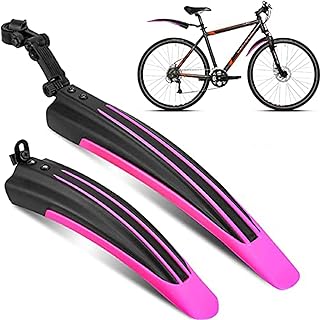
Full-length mudguards provide the most coverage and protection from splashes and spray. They typically extend from the front fork to the rear wheel, covering a significant portion of the wheel and tire. These are ideal for road bikes and commuting bikes that are used in wet and muddy conditions.
Clip-On Mudguards
Clip-on mudguards are a more versatile option that can be easily attached and removed from your bike. They are typically made from lightweight materials like plastic or metal and are designed to fit a wide range of bikes. Clip-on mudguards are great for cyclists who want the flexibility to remove the guards when not needed.
Mountain Bike Mudguards
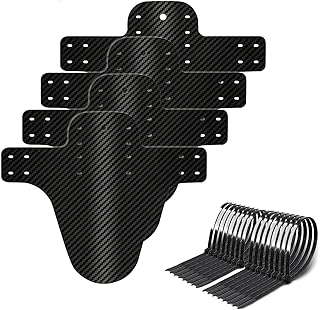
Mountain bike mudguards are specifically designed for off-road riding and provide protection from mud, dirt, and debris. They are typically shorter and more flexible than road bike mudguards, allowing for more clearance around the tires. Mountain bike mudguards are essential for maintaining visibility and preventing mud buildup on the trails.
People Also Look For:
- Fat Bike Fenders Front and Rear Fenders Set for Fat Tire Bike Wings Full Coverage Set (GREY, 20 x 4.0 Inch)
- KAYSENSUK Mountain Bike Mudguards Set, Bike Fender, MTB Carbon Fiber Mud Guard Front and Rear Compatible, Mountain Bike Fender Fix...
- FIFTY-FIFTY Mountain Bike Fender, MTB Mudguard, Front and Rear Compatible, Fits 26", 27.5", 29", Plus Size and Fat Bike Wheel Size...
- NICEDACK Bike Fender, MTB Mud Guard Front and Rear Compatible, Downhill Mountain Bike Mudguard Fits 20" 26" 27.5" 29 inch and Fat ...
- Byking Bike Mudguards Pro, For Mountain Bikes With Up To 29" Tyres, Bike Fender Set Fully Adjustable Rear Mudguard And Front Guard...
Choosing the Right Mudguard
When choosing a mudguard for your bike, there are several factors to consider to ensure you get the best fit and performance:
Wheel Size
Make sure to choose a mudguard that is compatible with your bike's wheel size. Most mudguards are designed to fit specific wheel sizes, so be sure to check the manufacturer's recommendations before making a purchase.
Mounting Style
Consider how the mudguard attaches to your bike. Some mudguards require mounting points on the frame or fork, while others use clips or straps for attachment. Choose a mounting style that is compatible with your bike and easy to install.
Coverage
Determine how much coverage you need based on your riding conditions. Full-length mudguards provide the most protection, while clip-on mudguards offer more flexibility. Choose a mudguard that provides adequate coverage for your needs.
Material
Consider the material of the mudguard, as it will affect durability and performance. Plastic mudguards are lightweight and affordable, while metal mudguards are more durable but heavier. Choose a material that suits your riding style and budget.
Price
Set a budget for your mudguard purchase and compare prices from different brands. Keep in mind that higher-priced mudguards may offer better quality and durability, but there are also budget-friendly options available that provide adequate protection.
Maintenance
Consider the maintenance requirements of the mudguard, such as cleaning and adjustments. Some mudguards are easier to maintain than others, so choose one that fits your maintenance routine and riding habits.
Installation
Make sure to follow the manufacturer's instructions for proper installation of the mudguard. Improper installation can lead to poor performance and potential damage to your bike. If you are unsure, seek assistance from a professional bike mechanic.
Conclusion
Choosing the right mudguard for your bike is essential for staying clean and protected during your rides. Consider the type, size, material, and price of the mudguard before making a purchase, and be sure to follow proper installation and maintenance guidelines for optimal performance. With the right mudguard, you can enjoy your cycling adventures without worrying about getting covered in mud and water.